
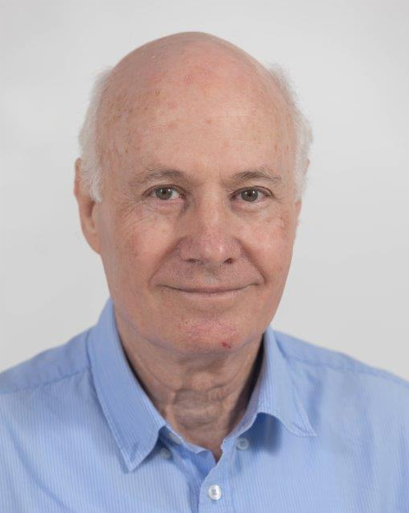
Itamar Barash Ph.D.
Biography
Prof. Itamar Barash is a senior scientist (emeritus/volunteer) at the Agricultural Research Organization (ARO), The Volcani Center, Institute of Animal Science. His research has focused on the mammary gland as a model system to uncover fundamental regulatory mechanisms with applications in animal production, biotechnology, and cancer biology.
Prof. Barash earned his B.Sc. (1978) and M.Sc. (1981, Cum Laude) in Animal Science, and his Ph.D. (1986) in Biochemistry from the Hebrew University of Jerusalem, where he studied hormonal regulation of prolactin receptors. He conducted postdoctoral research at McGill University in polypeptide hormone signaling and at the Weizmann Institute of Science in molecular genetics. Since joining the ARO in late 1989, he advanced to the rank of A+ Senior Researcher. He is also an Adjunct Professor at the Hebrew University of Jerusalem, where he established the course “Stem Cells in Science, Medicine, and Agriculture.”
His early work established key principles in the regulation of prolactin and growth hormone receptors and their downstream signaling. Following Sabbatical leave at the Tumor Biology Center, Institute for Experimental Cancer Research, Freiburg, Germany with Prof. B. Groner, he subsequently defined a central role for the transcription factor STAT5 in mammary gland development, lactation, and cell survival. Using innovative transgenic models, he demonstrated that tightly controlled STAT5 activity is essential for normal mammary function, while its deregulation directly drives mammary tumorigenesis. His studies provided some of the first in vivo evidence linking aberrant STAT5 signaling to breast cancer and revealed context-dependent effects, including parity-associated susceptibility. He further elucidated mechanisms by which STAT5 promotes tumorigenesis, including induction of DNA damage responses and epigenetic reprogramming, thereby bridging endocrine signaling with cancer initiation.
In parallel, Prof. Barash pioneered “genepharming” approaches (with Prof. M. Shani) for producing recombinant proteins in the milk of transgenic animals. His group developed robust expression systems based on milk-protein gene regulatory elements and generated numerous transgenic models, including early transgenic goat systems, contributing to the foundation of biopharmaceutical production in livestock.
His research also uncovered critical mechanisms of translational control in the mammary gland. He demonstrated that prolactin, insulin, and amino acids converge on the mTOR pathway to regulate milk protein synthesis, identifying both stimulatory and inhibitory amino acid signals that modulate the translational machinery.
In recent years, Prof. Barash has led efforts to define stem cell hierarchy in the bovine mammary gland. His group was among the first to identify and functionally characterize distinct epithelial subpopulations, including stem and progenitor cells. Building on this, he established that metabolic interventions—such as energy restriction and pharmacological inhibition of mTOR—can expand the mammary stem cell pool, enhancing long-term tissue development and productive capacity. His current work addresses stromal niche-mediated regulation of stem cell activity and translation of these insights into strategies for improving dairy performance.
Prof. Barash has trained numerous graduate students and contributed extensively to academic and national scientific committees. He received the ARO Lifetime Achievement Award in 2020 and continues to be actively involved in research as a volunteer scientist.